Simulation/modelling

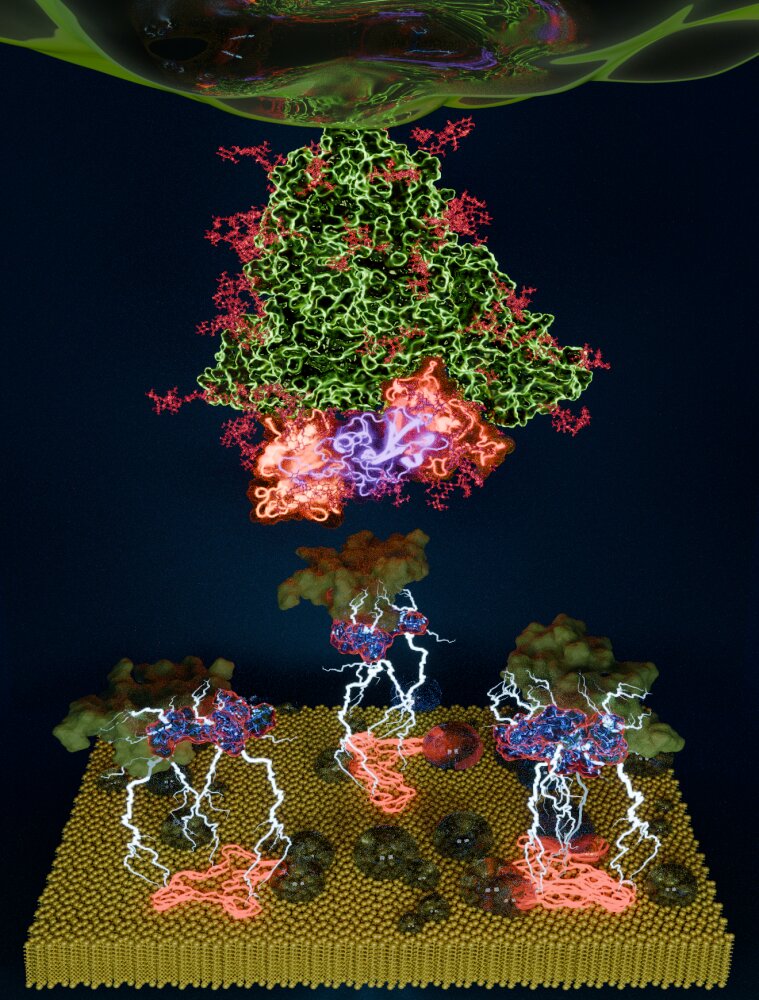
Electrostatic Control of Glycoprotein-Surface Interactions

Multiscale visualization of a viral spike glycoprotein interacting with a hydrophobic polarizable bilayer. The spike (green) presents three RBDs: one open (purple) and two closed (orange), surrounded by a glycan shield (red). Three glycans are highlighted: G1 (no sialic acids), G2 (one), and G3 (two). Increasing sialylation enhances electrostatic interactions (lightning features). The surface shows hydrophobic behavior with rounded water droplets.

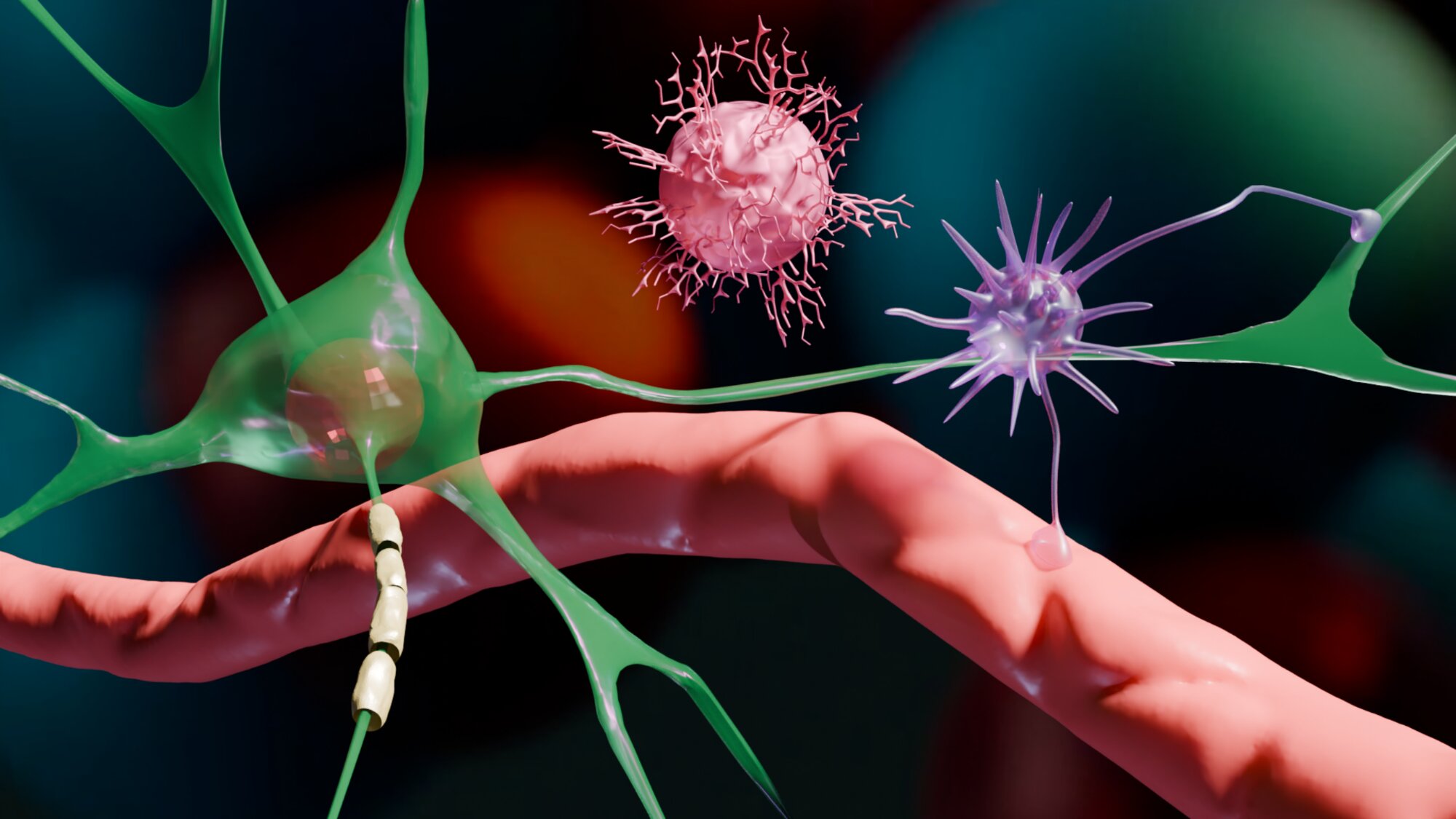
The colours of thoughts

In the foreground, a vibrant scene unfolds: a nerve cell, a capillary, an astrocyte, and a microglial cell seem almost to dance, their vivid colors creating a striking interplay of hues and emotion. In the background, still rich yet softly blurred, the shapes evoke the fading of memories and the emergence of new thoughts and feelings. The result is a scene that captures the continuous evolution of creative thought-multifaceted, dynamic, and always in flux.

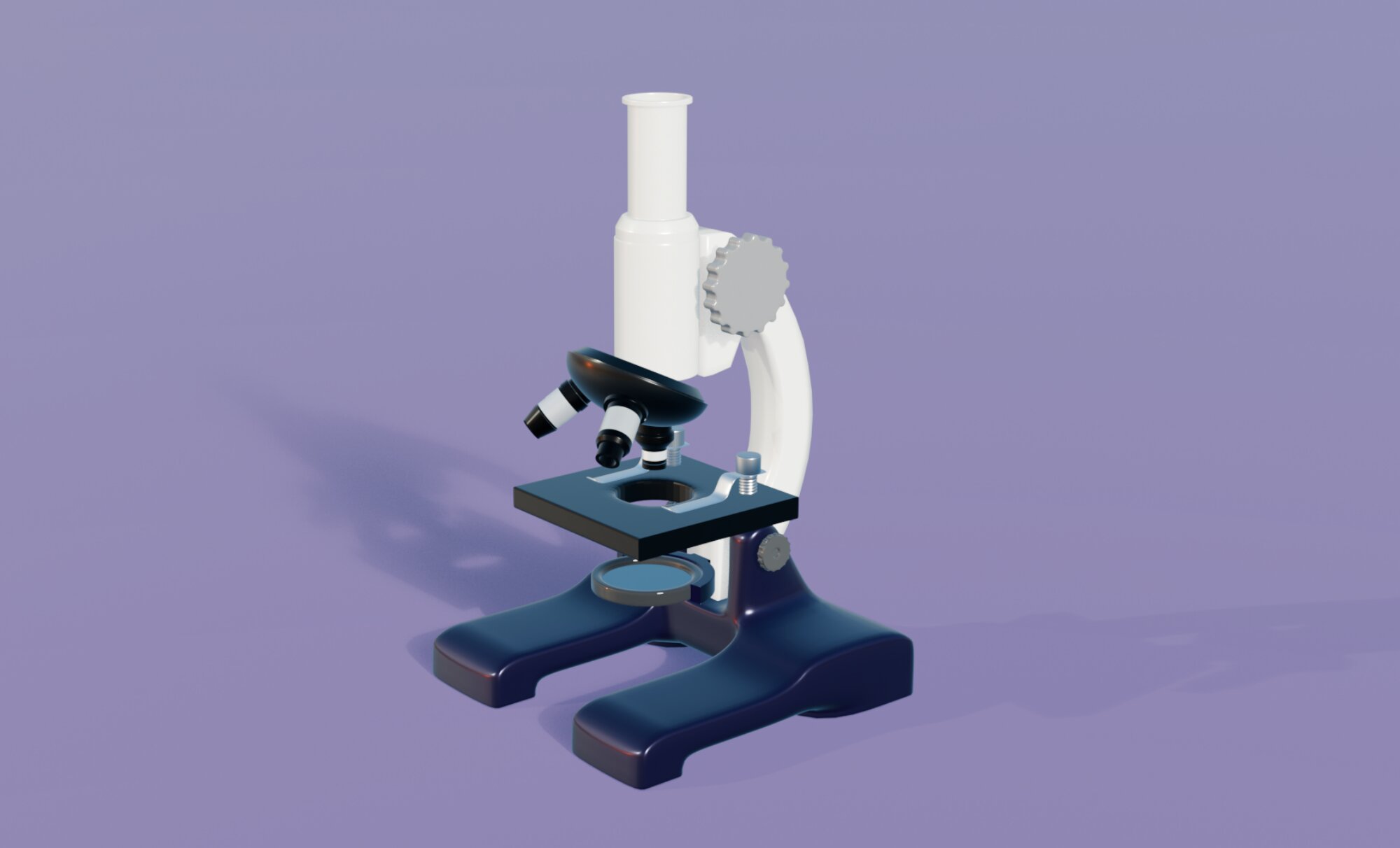
The eye of science

In 1675, Isaac Newton wrote, “If I have seen further, it is by standing on the shoulders of giants.” Through the lens of the microscope, science finds its vision, revealing the intricate details of a world otherwise invisible. Perhaps, sometimes, becoming giants begins with learning to see the smallest, microscopic, things.

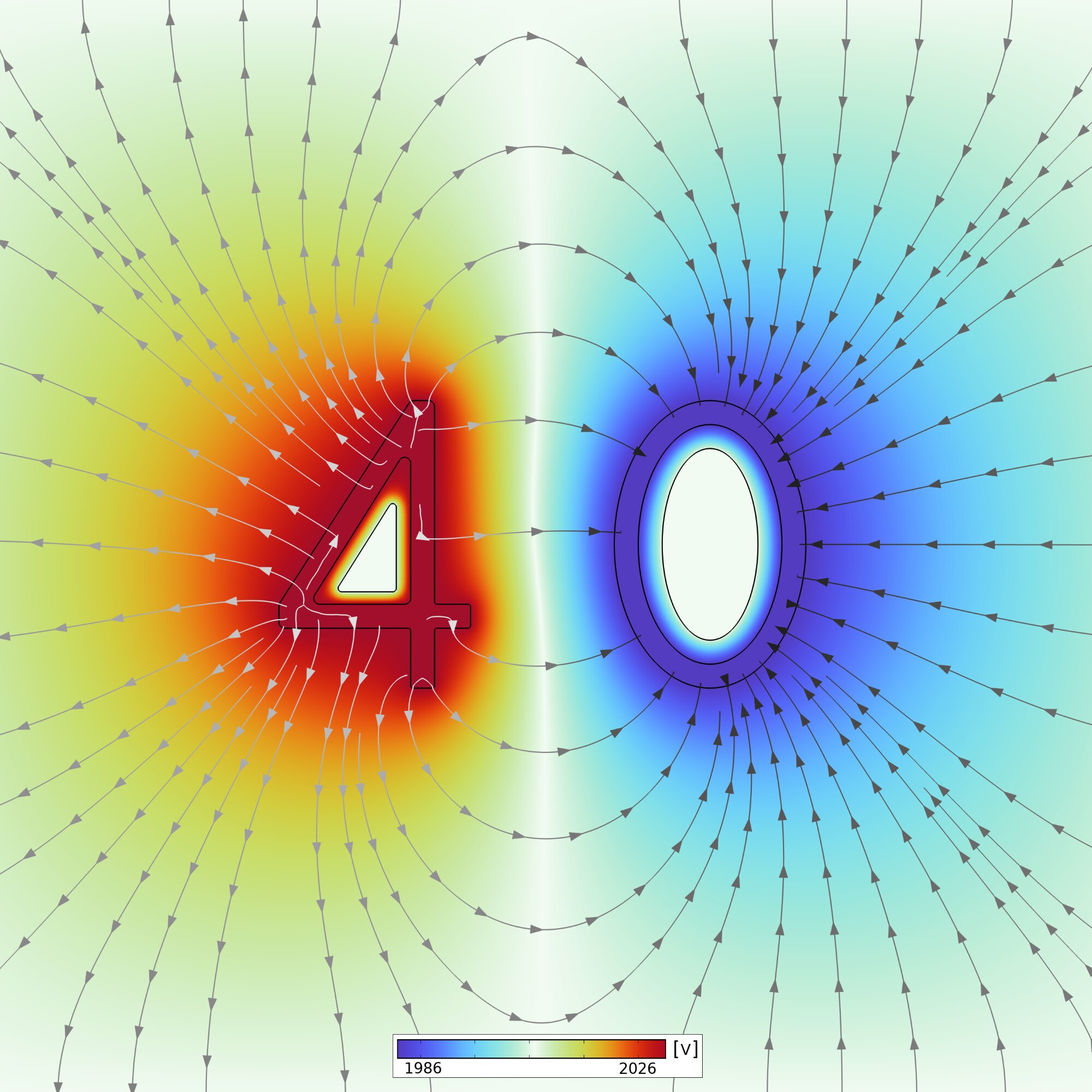
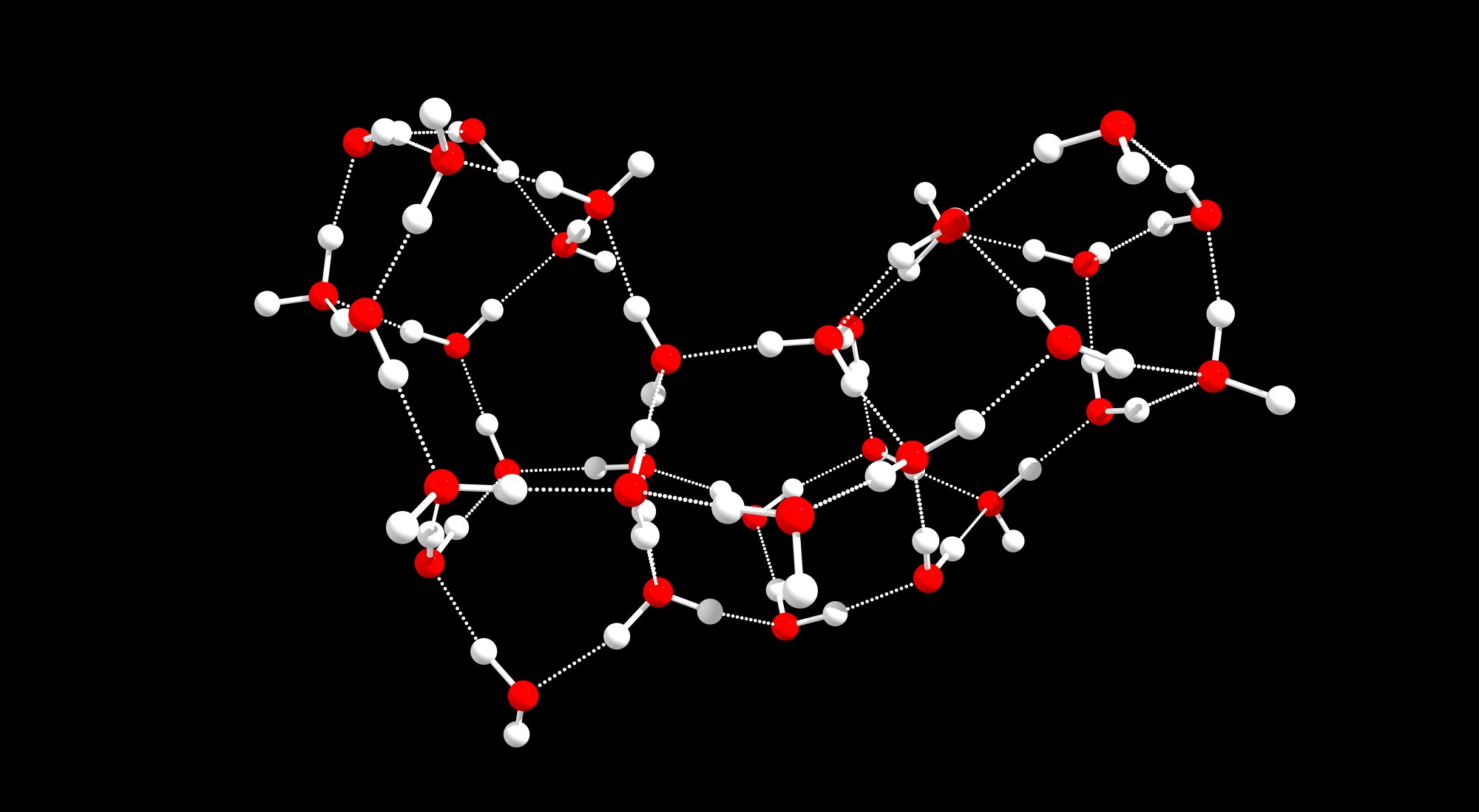
Water Constellation

Icy grains assist in the formation of organic and inorganic molecules in the interstellar medium. Simulations help us reveal their effects on chemical reactions, as well as their structures. What shape do you see here?